Cameras, alarms and privacy
Security cameras and alarms in St Marys Bay
Cameras and alarms give peace of mind when they are placed well and cause friction when they are not. We install security cameras and alarm systems for St Marys Bay homes and businesses, wired properly and aimed at what you need to watch, not at the house next door.
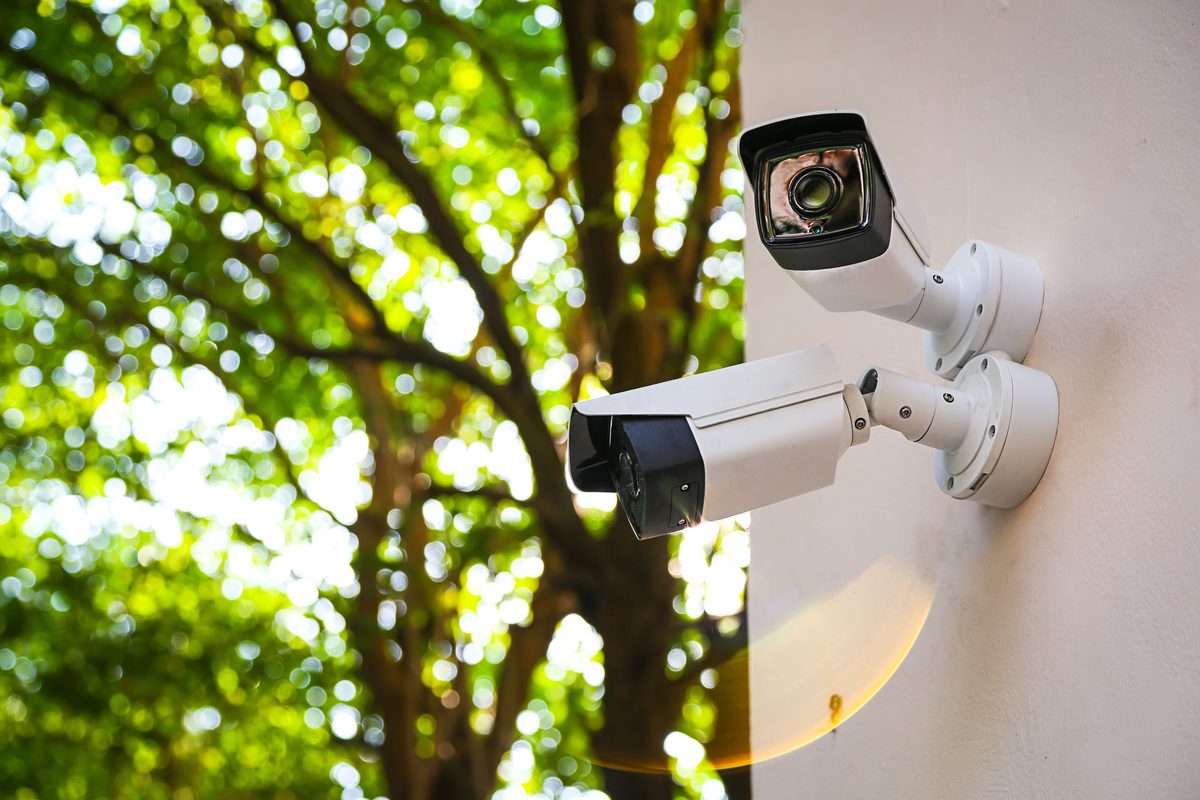
Cameras on close-set streets
In the oldest parts of St Marys Bay the sections are small, the streets narrow and the houses close together, often only a few metres from the road. That makes a camera's view hard to keep to yourself: a lens covering your front door may also take in the footpath, the street and the neighbour's porch. Planning the angle matters more here than on a large suburban section.
The law gives home owners some room, but not unlimited room. The Privacy Commissioner's guidance on CCTV at home explains that a person filming as an individual is not usually covered by the Privacy Act unless what they do would be highly offensive to a reasonable person, such as filming into a bathroom or filming children playing in their own backyard, while images that could be seen from the street would not be. Other laws still apply: the Crimes Act forbids intimate recording of people without their knowledge or consent.
How we set cameras up
Alarm systems, and lights before cameras
A camera records what happens; an alarm and good lighting help stop it happening. The same Privacy Commissioner guidance suggests considering lights and alarms before cameras, and they work well together. An alarm system pairs sensors on doors and in key rooms with a keypad by the entrance and a siren, armed when you leave or go to bed. For a business, zones let staff areas and stock rooms be armed separately from the shop floor.
Sensor lights over side passages, a back door or a garage can be a strong deterrent on their own, and they help you find your keys at night. Our outdoor lighting service covers those, and we can plan cameras, alarm and lights as one job so the cabling is done once.
From first visit to handover
Walk the property
We look at what you want covered, where cables can run, where power is available and what each camera will see from its spot.
Agree the plan
You see the camera positions, alarm sensor locations and what is involved before anything is fixed to a wall.
Install and wire
Cameras and sensors are mounted with outdoor-rated fixings, which matters close to the harbour, and cabled back to the recorder and alarm panel. Any new power supply is wired and certified; if the job needs a new circuit, our switchboard page explains why the board may come into it.
Set up and show you
We set recording, motion zones and alarm codes with you, and show you how to view footage, including on your phone where the system allows.
Security questions
My neighbour is unhappy about my camera. What should I do?
Talk to them, and if they ask, show them what the camera records of them; the Privacy Commissioner recommends exactly that. Often a small change of angle or a privacy mask in the camera's settings solves it.
Should my cameras be wired or wireless?
Wired cameras are steadier and do not need batteries charged; wireless ones are quicker to fit where cabling is difficult. In a timber villa, cable can often be run through the ceiling space, so wired is usually practical.
Do I need to put up a sign?
The Privacy Commissioner's tips for home cameras include putting up signs telling people that cameras are in place. It is good manners, and a visible sign is part of the deterrent.
Is it different for a business?
Yes. The home guidance is written for people filming as individuals; a business or organisation using cameras on customers or staff is in a different position, and the Privacy Commissioner publishes separate guidance for organisations. We install for both, so tell us which applies.
What should I do with footage of a break-in?
Give it to the Police rather than posting it online. The Privacy Commissioner advises thinking carefully before uploading footage to the internet.
Power off, a breaker tripping, or a job to plan?
Call 021 156 4005 at any hour, or send us the details and we will get back to you.
Other electrical services in St Marys Bay
House rewiring
New circuits for villas, cottages and later homes, planned as one installation, tested and certified.Switchboard upgrades
Old fuse boards replaced with circuit breakers, with the independent inspection that high-risk work needs.Fault finding and repairs
Tripping circuits, flickering lights and dead power points traced to their cause and repaired.24/7 emergency call-outs
Electricians available for call-outs 24 hours a day, 7 days a week, for faults that cannot wait.Heat pump installation
Heat pumps installed with a suitable supply circuit, an isolating switch on the house and the outdoor unit placed with the harbour air in mind.LED and outdoor lighting
LED downlights, pendants, bathroom lighting and garden and deck lights, installed to suit the room and the fitting.Enquiries
Contact us
Call 021 156 4005 - our electricians are available for call-outs 24 hours a day, 7 days a week - or leave a message below.
021 156 4005- Auckland
- Call-outs 24 hours a day, 7 days a week