Sized, wired and sited for the coast
Heat pump installation in St Marys Bay
A heat pump is only as good as its installation. The right size for the room, an outdoor unit placed where it can breathe and is protected from salt air, and a safe, certified electrical connection make the difference between a quiet, efficient heater and an expensive disappointment. We install heat pumps in St Marys Bay homes and businesses with all three in mind.
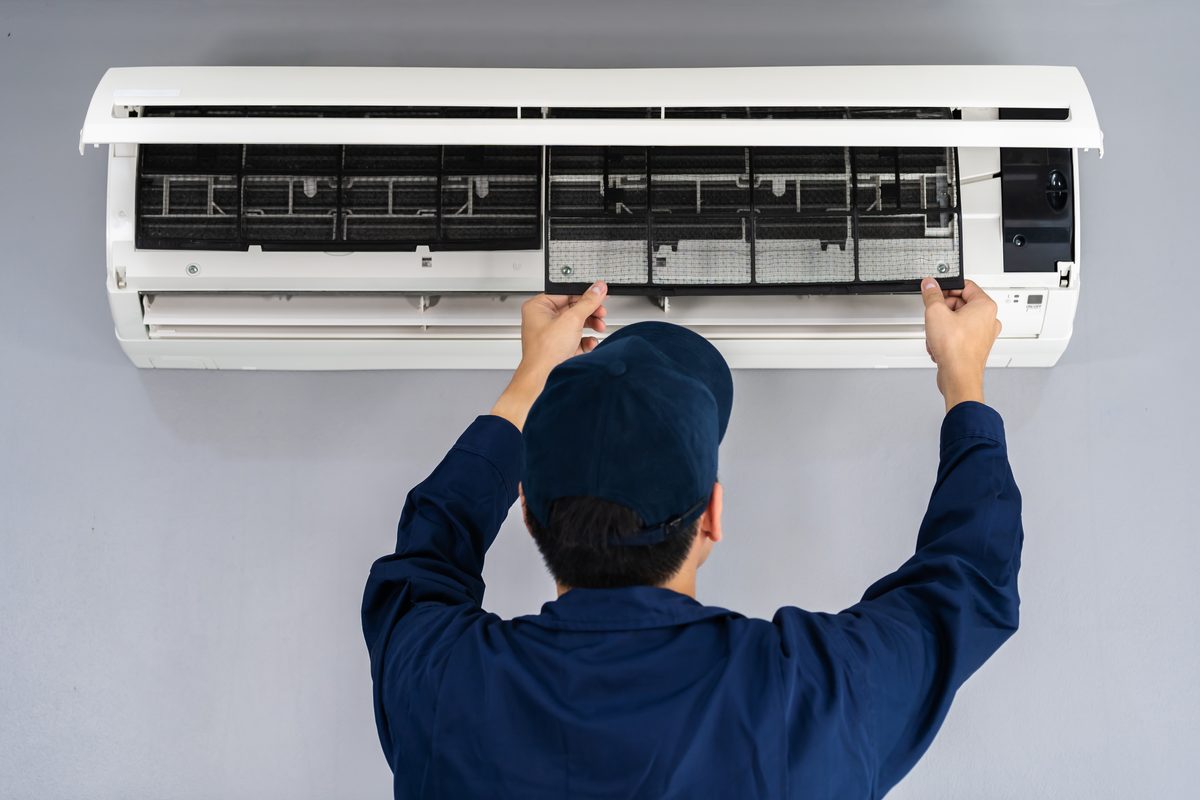
Sized for the room, and for the house around it
Heat pumps are bought by the kilowatt, and getting that number wrong is an easy mistake to make. EECA's good practice guide for installers starts with the house, not the brochure: the size and use of the room, the insulation in the walls, ceiling and floor, and whether the windows are single or double glazed. A cottage room with original sash windows loses heat differently from a modern apartment living area with insulated walls, and a unit sized without looking will either struggle on a cold night or cost more than it needs to.
We look at the room you want to heat, where the indoor unit can sit so warm air reaches the space you actually use, and where its pipes and cable can run back to the outdoor unit. EECA recommends inverter units in most cases for their efficiency. If the house's wiring is old and you are already thinking about a rewire of the older circuits, planning the heat pump circuit at the same time saves opening things up twice.
The outdoor unit, close to the harbour
St Marys Bay sits on the Waitemata Harbour, and EECA's guide treats coastal sites as their own case. These are the points we plan around before a bracket goes up.
Protection from salt
Near the coast the guide calls for protection against corrosion for both the outdoor cabinet and its coils, and for a unit chosen to suit sea spray. We specify that from the start rather than finding out when the coil rusts.
Shelter from spray and wind
The outdoor unit should be out of the worst of the sea spray and the strongest wind, which on an exposed site can spin the fan backwards and burn out its motor.
Room to breathe and to service
The guide asks for at least 600 mm of service access and somewhere the condensate can drain away. On the narrow sections and close-set houses of the oldest streets, that takes some planning.
Out of the street's view
A unit tucked down the side or at the back keeps the front of a cottage or villa as it is, which matters in a special character area.
The electrical connection
This is where an electrician earns their place in a heat pump job. EECA's good practice guide to heat pump installation is plain that all the electrical work must be done by a registered electrician and certified with a Certificate of Compliance, and it warns that skipping either can put the owner's house insurance at risk.
Depending on the unit's power rating and the existing wiring, a heat pump can go on an existing circuit that has enough spare capacity, or on its own circuit run back to the switchboard. A lockable isolating switch is fitted on the house wall within reach of the outdoor unit, never on the unit itself, so it can be switched off safely for servicing. Our registered electricians do this part and certify it. If your board is full or still has rewireable fuses, read about our switchboard upgrades, because that is the moment to sort it out.
Keeping it running well
A heat pump by the sea needs a little more attention than one inland. EECA's guide notes that in a corrosive environment the outdoor coils may need cleaning as often as every three months, always with the unit switched off, and recommends an annual service. Indoors, the filters behind the front panel should be cleaned regularly so the unit keeps moving air efficiently.
Heat pump questions
Can a heat pump go on my existing wiring?
Sometimes. If a circuit has enough spare capacity for the unit, it can be connected to it; otherwise it needs its own circuit back to the switchboard. We check before we quote.
Do I need permission to put the outdoor unit on my villa?
A unit at the side or rear of the house is the usual approach. If your house is in the special character overlay, check with Auckland Council before the outdoor unit goes on any outside wall, because external alterations or additions to a house in the overlay can need resource consent.
Will I get a certificate for the installation?
Yes. EECA's guide says the electrical work must be done by a registered electrician and an Electrical Certificate of Compliance issued when it is finished. Keep it with the heat pump's paperwork.
Where does the isolating switch go?
On the house wall, where it can be reached when the unit is serviced, and never on the outdoor unit itself. The guide notes that mounting the switch on the unit is an offence.
Why does the outdoor unit need protecting near the harbour?
Salt in the air corrodes the cabinet and the thin fins of the coil. A unit suited to coastal sites, with a protective coating, lasts better and keeps its efficiency.
Power off, a breaker tripping, or a job to plan?
Call 021 156 4005 at any hour, or send us the details and we will get back to you.
Other electrical services in St Marys Bay
House rewiring
New circuits for villas, cottages and later homes, planned as one installation, tested and certified.Switchboard upgrades
Old fuse boards replaced with circuit breakers, with the independent inspection that high-risk work needs.Fault finding and repairs
Tripping circuits, flickering lights and dead power points traced to their cause and repaired.24/7 emergency call-outs
Electricians available for call-outs 24 hours a day, 7 days a week, for faults that cannot wait.LED and outdoor lighting
LED downlights, pendants, bathroom lighting and garden and deck lights, installed to suit the room and the fitting.Security cameras and alarms
Alarm systems and CCTV cameras installed and aimed with your neighbours' privacy in mind.Enquiries
Contact us
Call 021 156 4005 - our electricians are available for call-outs 24 hours a day, 7 days a week - or leave a message below.
021 156 4005- Auckland
- Call-outs 24 hours a day, 7 days a week